
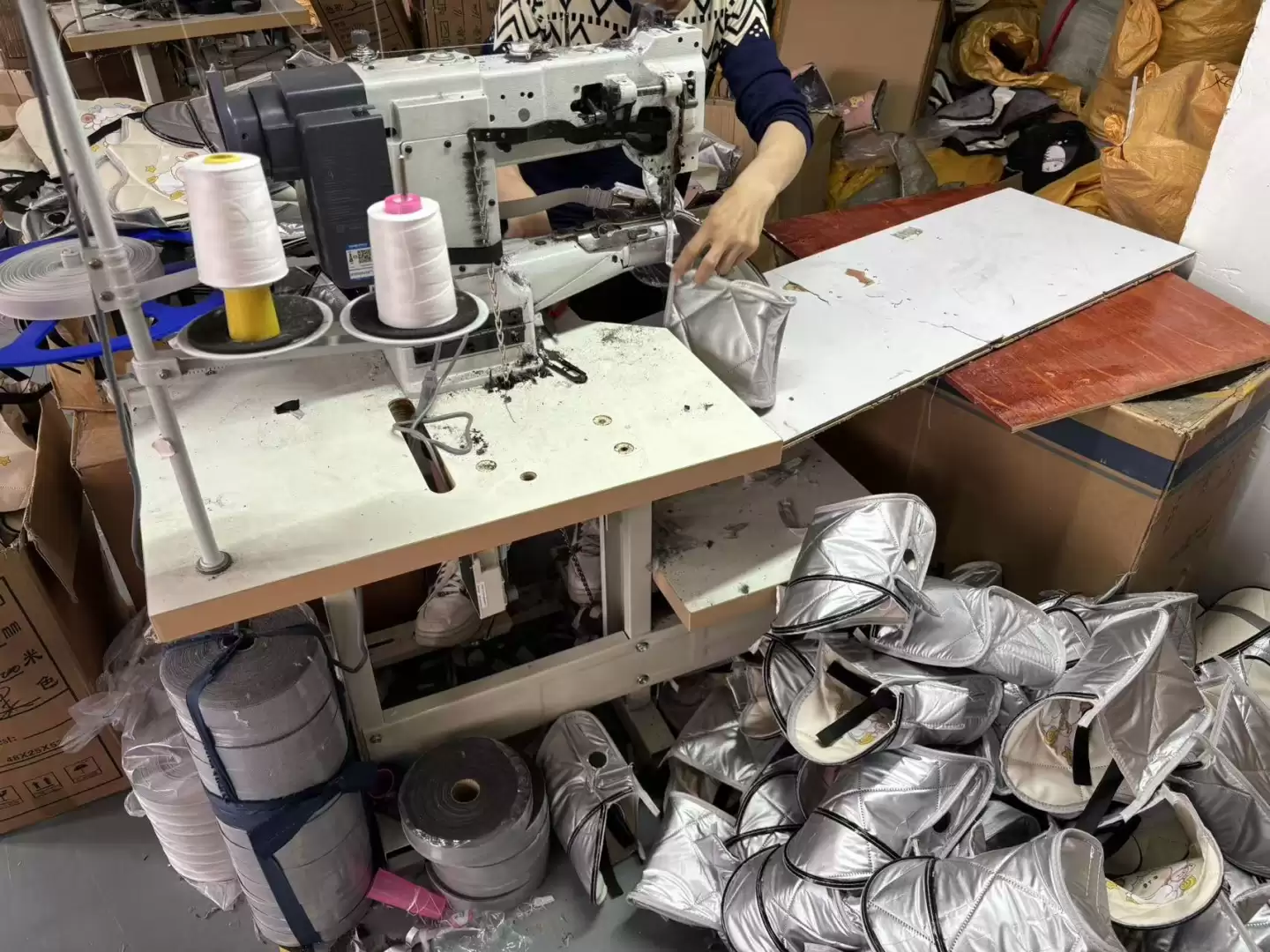
A while back we talked about EV car seats, but that was the wrong direction. What we actually make are electric bicycle and electric motorcycle seat cushions – not four-wheelers.
The electric two-wheeler market in Southeast Asia has changed fast over the last couple of years. This article pulls together publicly available data from 2025 to show you what's really happening.
The Big Picture: Huge Motorcycle Volume, Low EV Penetration
In 2025, the nine Southeast Asian countries sold about 15 million motorcycles combined. Electric motorcycle penetration is still low across the region – Vietnam is the farthest along at around 10% in 2023, and most other major markets are in single digits.
But low penetration means big room to grow. In the first half of 2025, global electric motorcycle sales reached roughly 4.4 million units, up 7.2% year on year. China and India are first and second; Vietnam is third. Southeast Asia is clearly shifting from "gasoline dominates" to "electric gradually takes over."
Five Key Markets – One by One
Vietnam: The Most Promising Market Right Now
Vietnam is the world's fourth-largest motorcycle market, with about 77 million registered motorcycles – roughly 90% of all road vehicles. Electric two-wheeler stock has already passed 3 million units.
In the first half of 2025, Vietnam sold about 209,000 electric motorcycles – nearly double the previous year. For the full year, VinFast alone delivered 406,453 electric motorcycles, up 473% year on year, ranking second overall in Vietnam's motorcycle market. Chinese brand Yadea grew 61.6% in Vietnam. Meanwhile, gasoline motorcycle sales dropped 1.5% in 2025.
On the policy side: Hanoi will ban gasoline motorcycles inside the Ring Road 1 starting July 2026. Ho Chi Minh City plans to introduce low-emission zones in 2027 and ban gasoline motorcycles completely in the central area by 2028. Electrification isn't a question of "if" – it's "when."
Thailand: Policy Exists, But Electric Two-Wheelers Haven't Really Taken Off
Thailand adds about 1.7 million new motorcycles every year and is the world's fifth-largest motorcycle producer. By the end of 2024, registered electric two-wheelers exceeded 160,000 units, up nearly 70% year on year.
But the absolute number is still low. From 2019 through September 2025, Thailand registered only about 79,674 electric motorcycles – less than 0.7% of total new motorcycle registrations during that period. The government offers an 18,000 baht per unit subsidy, but the effect has been far weaker than for electric cars. Main issues: range anxiety, insufficient battery swap infrastructure, and high battery replacement costs.
That said, 92 electric motorcycle brands once entered the Thai market, and 47 remain – meaning the market is consolidating, not shrinking.
Indonesia: Policy Swings Caused Sales to Drop
Indonesia sold 6,412,769 motorcycles in 2025, of which 55,059 were electric – less than 0.9% of total.
In 2025, the government canceled the electric motorcycle purchase subsidy (which previously covered about 90% of sales). Retail sales in the first half of the year dropped 50% to roughly 12,000 units. Full-year sales fell 28.6% from the 2024 peak. But fleet sales still have hope – about 50% of volume came from logistics and ride-hailing companies and rental fleets.
Malaysia: Fast Growth, Low Base
Malaysia sold about 613,893 motorcycles in 2025, up 3.5% year on year. Electric motorcycle sales grew over 200%, but absolute volume is still less than 1% of total. Motorcycle ownership exceeds 13.6 million units, making Malaysia the 13th largest motorcycle market globally.
Philippines: Overall Growth, Electric Still a Weak Spot
In the first eight months of 2025, the Philippines sold 1,227,160 motorcycles, up 11.8% year on year. Automatic scooters are the most popular, with monthly sales exceeding 106,000 units. But electric model sales aren't separately reported – penetration is very low and still in early stages.
Seat Cushion Opportunity: The Numbers Speak
As electric two-wheelers sell more across Southeast Asia, seat cushion demand follows.
Global level: The global two-wheeler parts aftermarket was about $23.57 billion in 2025 and is expected to reach $52.8 billion by 2035, a CAGR of 8.4%. Global motorcycle seat demand reached 120 million units in 2024, with electric motorcycle seats accounting for over 35% – up 8 percentage points year on year. The motorcycle seat market was about $3.27 billion in 2024 and is forecast to hit $5 billion by 2035. The Asia-Pacific market was about $23.05 billion in 2023, growing at over 8.8% annually.
Southeast Asia level: Vietnam's electric two-wheeler accessory demand is growing 20% per year. Vietnamese official media and industry reports list "waterproof seat cushions" as a key opportunity category, alongside smart helmets as essential riding gear. Thailand's motorcycle seat cushion market is now a standalone research segment, broken down by material (leather, synthetic leather, foam, vinyl, gel-filled) and by motorcycle type (sport, cruiser, touring, electric).
Why is seat cushion demand especially strong in Southeast Asia?
First, the weather. Southeast Asia is hot year-round. A leather seat sitting under the sun can reach 60-70°C – too hot to sit on. A breathable, cool seat cushion is almost a necessity.
Second, usage intensity. Motorcycles in Southeast Asia aren't just for commuting – they're used for food delivery, courier services, ride-hailing, daily cargo hauling. Running 100 kilometers a day is common. Seats wear out fast and need frequent replacement.
Third, customization culture. Southeast Asia has a strong motorcycle modification scene – from Thailand to Indonesia to the Philippines, the custom culture has exploded in recent years. Seat cushions are one of the most common upgrades.
Fourth, policy catalysts. Vietnam's gasoline motorcycle restrictions in Hanoi and Ho Chi Minh City will push millions of gasoline motorcycles to be replaced by electric two-wheelers. Every new bike needs a seat, and replacement/upgrade demand will multiply at the same time.
Competitive Landscape: Local Shops Can't Scale, Western Brands Are Too Expensive
Local seat cushion manufacturers in Southeast Asia are typically small workshops – limited capacity, inconsistent quality, narrow product range. Western brands have good quality but high prices, not a good fit for Southeast Asia's mass market.
Over 70% of global motorcycle seat manufacturing capacity is concentrated in China and Vietnam. Leading manufacturers are running at 92% capacity utilization. Chinese factories have inherent advantages in scale, cost control, and material supply chains that local Southeast Asian shops simply don't have.
Where's Our Opportunity?
The logic is simple: electric two-wheelers are selling more and more in Southeast Asia, and buyers need a reliable seat cushion supplier. Local shops can't scale up. Western brands are too expensive. Chinese factories sit right in the sweet spot.
We're based in Yiwu, and we specialize in custom manufacturing of electric bicycle and electric motorcycle seat cushions. We work with genuine leather, PU, microfiber, mesh fabric, gel, memory foam – pretty much any material you want.
Here's how we actually work:
You send us your design – drawings, samples, photos, or a detailed description. We source raw materials from the local market: leather, fabric, foam, hardware. Because we buy in large volumes, we get good prices. And because the supply chain is right here, material sourcing usually takes days, not weeks.
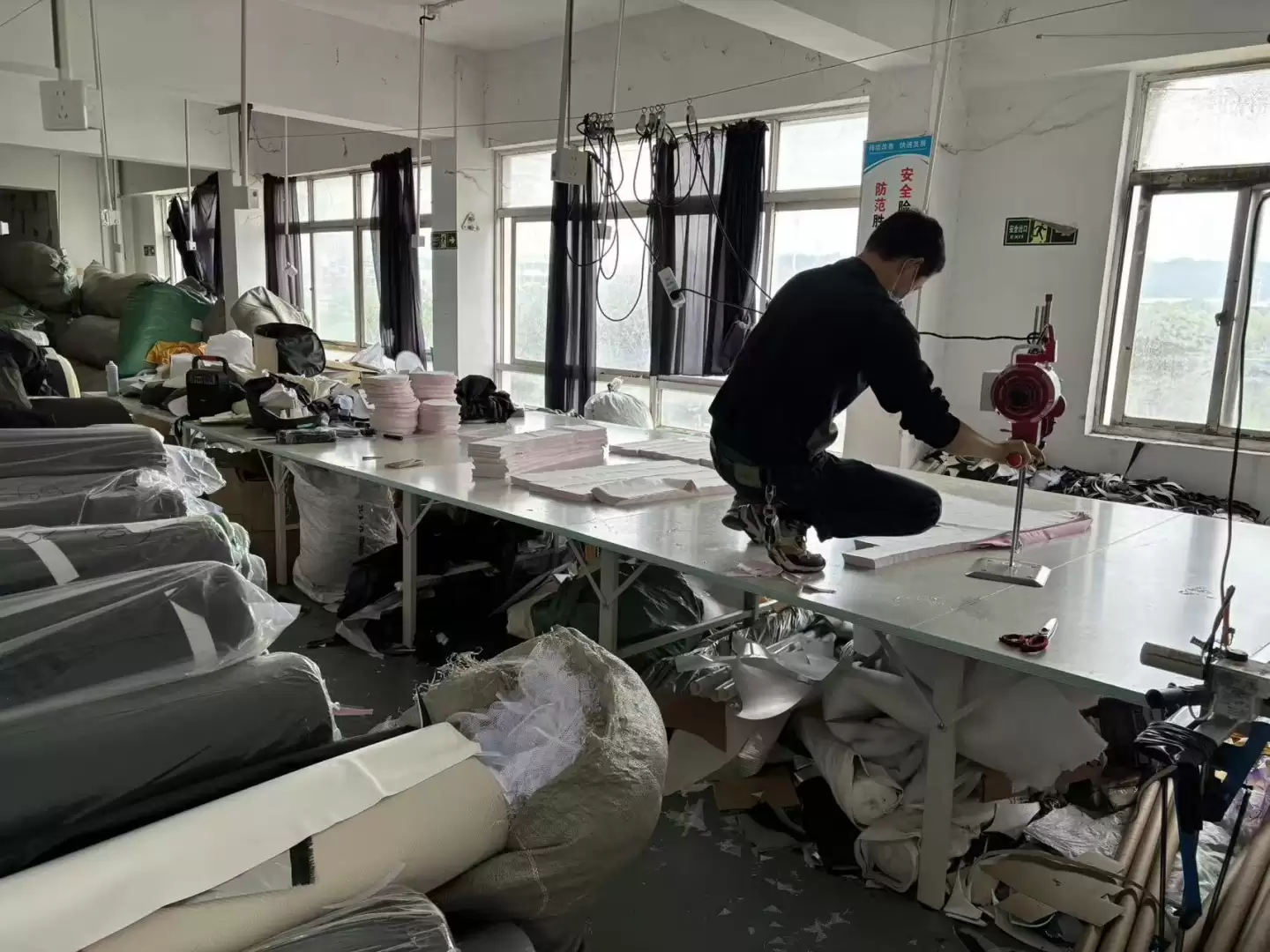
Once we have materials, we make a sample – typically 3 to 7 days. We go back and forth until you're happy. After sample approval, we create production-grade patterns. Our pattern maker optimizes the nesting layout to minimize waste – this is where we control costs.
For cutting, we use hydraulic die-cutting presses for high-volume simple shapes, and a CNC oscillating knife cutter for complex shapes or smaller runs. Stitching is done on industrial lockstitch and overlock machines, with each operator handling a specific task. Every piece goes through quality control – AQL sampling for batch orders, 100% inspection for premium orders.
Finishing includes edge burnishing, hardware attachment, cleaning, folding, bagging, and boxing – all to your specifications. We ship from Yiwu by sea, air, or rail. Payment methods: bank transfer (corporate account), WeChat Pay, Alipay, or PayPal.
Minimum order quantity is typically 500 to 1,000 pieces, depending on the product. The more you order, the lower your per-unit price. Lead time is usually 15 to 30 days after sample approval.
Final Word
Southeast Asia's electric two-wheeler market is in the middle of a shift from gasoline to electric. While the big brands fight for market share, the accessory market is also being reshaped. Seat cushions – a high-frequency replacement item with strong demand – still have room for new players to enter.
If you're in the electric two-wheeler accessory business in Southeast Asia, or if you're looking for a reliable supplier who can deliver consistent quality at a fair price – let's talk. Tell me what you need, roughly how many pieces, and send drawings if you have them.
Based in Yiwu, China.